Islam is one of the most influential and fastest-growing religions in the world today. With over 1.9 billion followers spanning every continent, it continues to shape societies, inspire hearts, and guide millions in their spiritual and moral lives.
But what makes Islam so popular throughout the world? What draws people to its teachings — across languages, cultures, and generations?
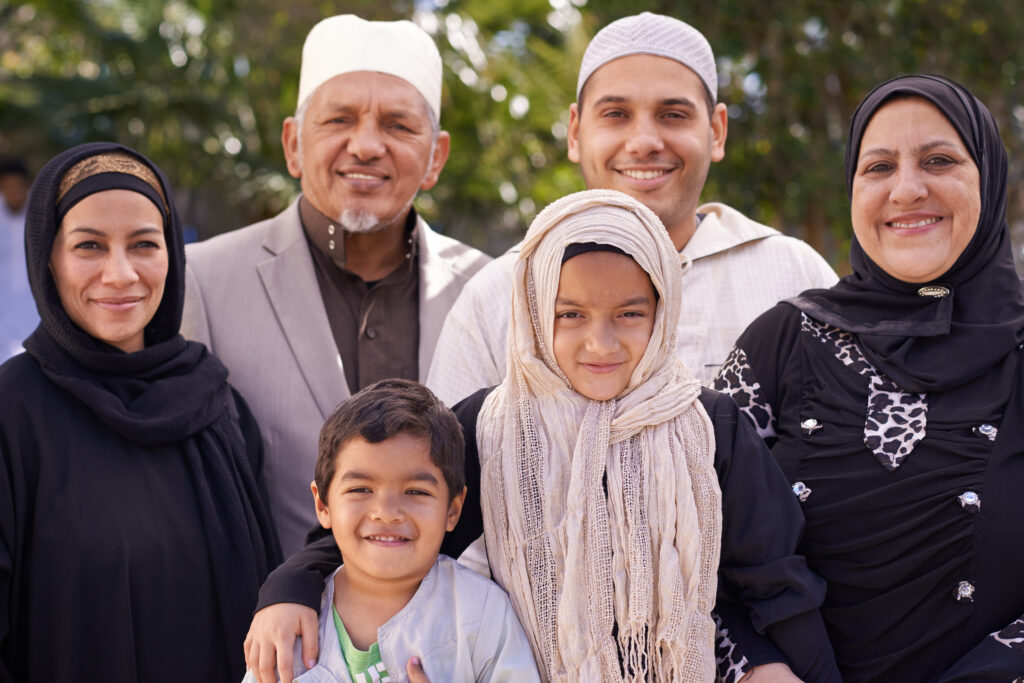
In this comprehensive guide, we’ll explore the origins, values, and global appeal of Islam — uncovering why it continues to resonate with people in the modern age.
Islam, meaning “submission to the will of Allah,” is more than a religion — it’s a complete way of life. Every year, thousands of people embrace Islam after discovering its message of peace, equality, and devotion to one Creator.
According to studies by Pew Research, Islam is currently the world’s fastest-growing faith, projected to equal Christianity by the end of the 21st century. Its growth isn’t confined to Muslim-majority regions — it’s spreading rapidly in Europe, North America, and Africa.
Islam’s popularity stems from its clarity, structure, and timeless values that remain relevant to every human being — regardless of race, language, or background.
The word Islam comes from the Arabic root “S-L-M,” which means peace and submission. Followers of Islam are called Muslims — those who submit to the will of Allah (God).
Prophet Muhammad ﷺ, born in Makkah in 570 CE, received the final revelation from Allah through the angel Jibreel (Gabriel). These revelations formed the Qur’an, Islam’s holy book, which remains unchanged for over 1,400 years.
These foundational acts define a Muslim’s faith and discipline:
If you want to understand this sacred journey in detail, you can explore our complete guide:
👉 How to Perform Hajj: A Beginner’s Complete Guide
Islam’s spread throughout history has been remarkable — not just through conquests, but through trade, culture, education, and character.

Merchants and scholars played a huge role in spreading Islam peacefully across Africa, Asia, and Europe.
Muslim traders in West Africa and Southeast Asia introduced local communities to Islamic ethics and business integrity, leading to voluntary conversions.
Cities like Baghdad, Cordoba, and Cairo became global hubs of knowledge. Muslim scholars preserved and advanced science, mathematics, philosophy, and medicine — influencing the European Renaissance.
Islam spread because its message transcended race, class, and culture. From the deserts of Arabia to the islands of Indonesia, its universal appeal touched hearts seeking peace and purpose.
Islam offers something profound — simplicity in faith, depth in spirituality, and structure in daily living.
Here are the core principles that continue to attract people worldwide:
Islam’s central belief is pure monotheism — La ilaha illallah (There is no god but Allah).
This clarity appeals to people seeking a direct relationship with their Creator, free of intermediaries.
Islam teaches that all human beings are equal in the eyes of God, differing only by piety and character.
Prophet Muhammad ﷺ’s last sermon emphasized:
“No Arab has superiority over a non-Arab, nor a non-Arab over an Arab. No white person has superiority over a black person, nor a black person over a white person, except by piety.”
Islam encourages balance — between worship and work, spirituality and worldly duties.
Daily prayers, fasting, and charity structure a Muslim’s day and nurture mindfulness, discipline, and compassion.
Strong family values and community support are at the heart of Islam. Muslims around the world feel connected through shared rituals, greetings, and collective worship — a sense of belonging that transcends borders.
One of the clearest signs of Islam’s growth is the rising number of reverts (converts), especially in Western countries.
The concept of one God, one purpose, and one humanity resonates with people tired of complexity or spiritual emptiness.
Islam provides structure — prayer, charity, and moral conduct — helping individuals find peace and meaning in modern chaos.
Many people are inspired by Muslim colleagues, friends, or communities who demonstrate kindness, patience, and honesty.
Access to authentic information, scholars, and online resources has made it easier for people to learn the truth about Islam beyond stereotypes.
If you’re inspired by Islam and wish to deepen your connection through pilgrimage, explore our spiritual travel packages:
👉 Hajj Packages 2026
👉 Umrah Packages
Despite being over 1,400 years old, Islam’s teachings feel more relevant today than ever.
Islam teaches moderation in consumption, fairness in trade, and protection of the environment — all crucial in our climate-conscious era.
Islam’s focus on education, responsibility, and self-improvement appeals to young generations seeking direction.
In an age of moral uncertainty, Islam’s emphasis on honesty, modesty, and kindness provides stability.
From science to art, Muslims today continue to shape global culture — reflecting Islam’s adaptability and timeless wisdom.
Despite Islam’s beauty, it often faces misunderstanding in global media.
“There is no compulsion in religion.” — Qur’an 2:256
Understanding and dialogue are the keys to breaking stereotypes — and platforms like Hajj & Umrah Express play a vital role in bridging cultural awareness.
Islam’s influence reaches far beyond religion — it has shaped science, art, architecture, and culture.
If you’d like to experience this history firsthand, read our travel insights on sacred destinations like:
👉 The Secret to Visiting Riyaz ul Jannah: Your Ultimate Guide
Islam’s ultimate message is peace — Salam. Every aspect of faith, from prayer to charity, is designed to purify the soul and build harmony with others.
Pilgrimage unites millions of Muslims, regardless of nationality or wealth, in an atmosphere of humility and devotion.
To prepare your own journey, explore our article on:
👉 Essential Vaccinations and Documents Required for Hajj 2026
Zakat and voluntary charity help reduce poverty and strengthen communities — proving that Islam is not just faith, but active compassion.
From the mosques of New York to the villages of Indonesia, Islam continues to thrive — uniting billions under one faith and one purpose.
As Prophet Muhammad ﷺ said:
“The best among you are those who bring greatest benefits to others.”
Islam encourages humanity to seek truth, serve others, and live with gratitude.
It is not limited to rituals — it is a lifelong commitment to peace, justice, and moral excellence.
Those who visit the sacred lands of Makkah and Madinah often describe it as life-changing — a feeling of belonging to something eternal.
If you’ve performed Hajj or Umrah with us, we’d love to hear your reflections:
👉 Share Your Experience Here
Islam’s popularity isn’t accidental — it’s the result of timeless truth, universal values, and a message of mercy.
It speaks to the human soul — guiding millions toward purpose, balance, and hope.
In an age of uncertainty, Islam reminds us of one thing: peace begins when the heart submits to the Creator.
Whether you are planning to learn, travel, or perform pilgrimage, our team at Hajj & Umrah Express is here to guide you with sincerity and faith.
Reach out anytime to begin your spiritual journey:
👉 Contact Us